
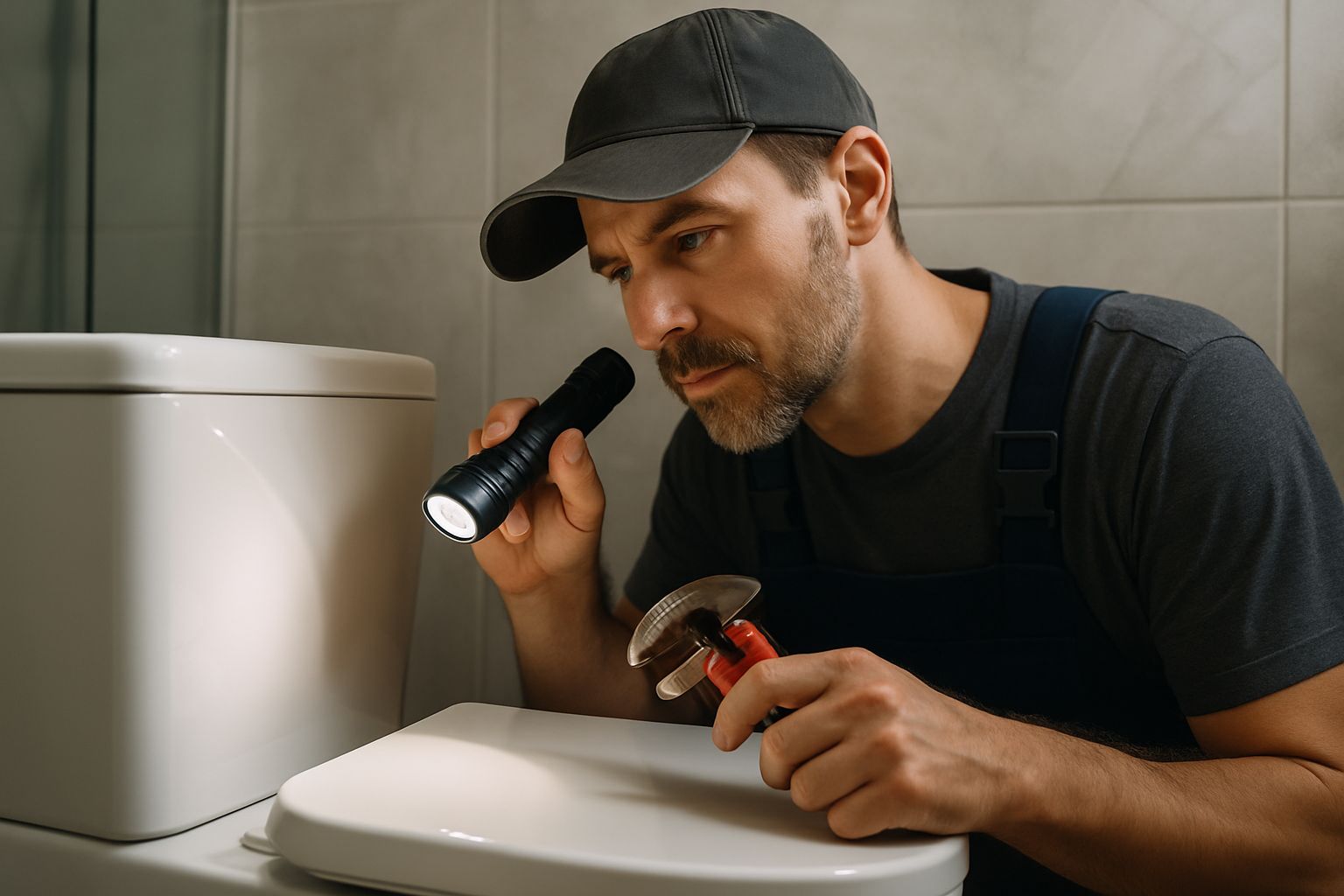
Custom Cabinet Installation — Liberty Home Services
Troubleshooting Guide

Custom Cabinet Installation Troubleshooting Guide — Liberty Home Services

At Liberty Home Services in Canonsburg, PA, we understand that custom cabinet installation can be a complex process that requires meticulous attention to detail. Whether you’re upgrading your bathroom storage or adding a touch of elegance to your space, the installation of cabinets can sometimes lead to unexpected challenges. This troubleshooting guide aims to help homeowners identify and resolve common issues that may arise during or after the installation of custom cabinets. Our goal is to ensure that your experience with custom cabinetry is as seamless and satisfying as possible. Custom cabinets can transform your bathroom into a functional and stylish oasis, but when problems occur, it can be frustrating. Many homeowners encounter issues related to alignment, functionality, and aesthetics, which can detract from the beauty and efficiency of your newly remodeled bathroom. This guide will provide you with the knowledge to troubleshoot these problems effectively, ensuring that your custom cabinets perform as intended. From misaligned doors to insufficient space for plumbing, you’ll find detailed solutions tailored to the specific needs of your custom cabinet installation in Canonsburg, PA.

By Liberty Home Services
8 min read
Expert-reviewed
Having an Emergency?
Don't wait — call us now for 24/7 emergency service in Canonsburg, PA.
(724) 573-8717
Symptoms & Causes

Identify the Problem

Match your symptoms to the most likely cause. Severity ratings help you decide how urgently to act.

Cabinet doors are misaligned or do not close properly.high
Likely cause: Improper installation, Hinges are worn or damaged, Cabinet frame is warped
DIY check: Check the hinge screws for tightness and adjust the hinges to realign the doors.
Cabinets are wobbling or unstable.medium
Likely cause: Uneven flooring, Improper mounting, Insufficient support
DIY check: Use shims to level the cabinets and ensure they are securely fastened to the wall.
Cabinet finish is peeling or bubbling.high
Likely cause: Moisture exposure, Poor quality materials, Improper finishing technique
DIY check: Clean the affected area and apply a matching finish or sealant to protect against moisture.
Drawers are sticking or do not open smoothly.medium
Likely cause: Incorrectly installed slides, Debris in the tracks, Warped drawer fronts
DIY check: Remove the drawer, clean the slides, and adjust or replace them as needed.
Insufficient space for plumbing fixtures.high
Likely cause: Measurement errors, Design oversight, Improper planning
DIY check: Reassess the cabinet layout and adjust the plumbing if possible; consider consulting a professional.
Cabinet doors are difficult to open and close.medium
Likely cause: Wrong type of hinges, Overloaded shelves, Misalignment
DIY check: Remove unnecessary items from the shelves and adjust the hinges for a smoother operation.
What to Do Next

Step-by-Step Action Plan

Follow these steps before calling a technician — you may be able to resolve the issue yourself.

1

Inspect Cabinet Alignment

Begin by checking if all cabinet doors and drawers are aligned properly. Look for gaps or misalignment that may indicate improper installation.

2

Assess Stability

Check if the cabinets are securely attached to the wall and if the floor is level. Use a level tool to measure any discrepancies.

3

Examine the Finish

Look for signs of damage to the cabinet finish, such as peeling or bubbling. Determine if moisture exposure is a factor.

4

Test Drawer Functionality

Open and close all drawers to identify any sticking or obstruction issues. Remove and clean the slides as necessary.

5

Check for Plumbing Clearance

Measure the space around the plumbing fixtures to ensure adequate clearance. If necessary, adjust the cabinets or plumbing.

Pro Tip
Always turn off power to the unit at the breaker before inspecting any components. Safety first — even for simple checks.
When to Call a Professional

Don't DIY These Situations

Some repairs require a licensed technician for safety, code compliance, and warranty protection.

Professional Assessment Required

Structural issues with the wall or floor that require extensive repair.

Professional Assessment Required

Need for custom adjustments that exceed basic DIY capabilities.

Professional Assessment Required

Persistent problems with cabinet functionality despite troubleshooting efforts.

Professional Assessment Required

Complex plumbing situations that require professional installation.

Professional Assessment Required

Use of specialized equipment for cabinet installation that is beyond homeowner access.

Common Questions
What should I do if my cabinet doors won’t close properly?
If your cabinet doors are not closing properly, first check the hinges to see if they are loose or damaged. Tighten the screws and adjust the hinges if necessary. If this does not solve the issue, inspect the cabinet frame for warping or misalignment. In some cases, shimming the cabinet may be required to achieve proper alignment. If problems persist, it may be best to consult with a professional for further assistance.
How can I fix peeling cabinet finish?
To address peeling cabinet finish, you should clean the affected area thoroughly to remove any debris or moisture. Once clean, you can apply a matching finish or sealant to protect against further damage. If the peeling is extensive, you may need to sand down the affected area and reapply the entire finish for a seamless look. It's crucial to use a finish that is suitable for bathroom environments to prevent moisture-related issues.
Why are my drawers sticking?
Sticking drawers can be a common issue that results from debris in the tracks, incorrectly installed slides, or warped drawer fronts. Start by removing the drawer and cleaning the slides and tracks to eliminate any obstructions. If the problem continues, check the slides for proper installation and adjust or replace them as needed. If the drawer front is warped, it may require replacement to ensure smooth operation.
What should I do if my cabinets are unstable?
If your cabinets are unstable, the first step is to check whether they are securely mounted to the wall. If they are not, you may need to use additional screws or anchors to secure them properly. Also, check the level of the floor; if the floor is uneven, shims can be used to stabilize the cabinets. If extensive structural issues are found, it’s advisable to contact a professional for an assessment.
Related Services

We Can Fix It For You

Our licensed team serves Canonsburg, PA and surrounding areas — same-day service available.

Problem Solved — Or Need a Pro?

Our licensed team serves Canonsburg, PA and surrounding areas. Get a free diagnosis — no obligation.